
Tuition
TUITION BY DAYS | BY CLASSROOM AGE | ADDITIONAL SIBLING |
|---|---|---|
INFANT | ||
5 DAY | $2505.00 | $2,381.00 |
4 DAY | $2252.00 | $2141.00 |
3 DAY | $1740.00 | $1655.00 |
2 DAY | $1246.00 | $1185.00 |
TODDLER | ||
5 DAY | $2156.00 | $2051.00 |
4 DAY | $1943.00 | $1848.00 |
3 DAY | $1499.00 | $1426.00 |
2 DAY | $1073.00 | $1021.00 |
PRESCHOOL | ||
5 DAY | $1898.00 | $1807.00 |
4 DAY | $1706.00 | $1623.00 |
3 DAY | $1328.00 | $1263.00 |
2 DAY | $943.00 | $896.00 |
PHILLY PRE-K EXTENDED DAY FEE - $823.00
Late Arrival - after 6:00pm -$5.00 per minute
Classrooms
Infant
Care Bears

How Babies Grow and Learn in Child Care
In our Care Bears classroom, babies grow and learn through nurturing relationships, engaging experiences, and consistent routines. Caregivers create a safe, loving environment that supports all areas of a baby’s development from birth onward.
Here’s how little ones grow and thrive in care:
-
Trusted Relationships & Emotional Security: Babies learn best when they feel safe and loved. Caregivers build strong bonds through warm interactions, gentle touch, and responsive care. These early connections help babies feel secure, which lays the foundation for everything else they will learn.
-
Language & Communication Development: Even before they can speak, babies are soaking up language through songs, stories, conversations, and facial expressions. Caregivers talk, sing, and read to babies, encourage babbling, and respond to gestures or sounds-helping them learn the basics of communication and the rhythm of language.
-
Sensory Exploration & Cognitive Growth: In childcare, babies explore the world with all their senses—touching new textures, hearing different sounds, watching movement, and even tasting safe foods. These experiences help their brains grow, build connections, and spark curiosity about the world around them.
-
Motor Skill Development: From tummy time to crawling to taking first steps, babies practice physical skills every day. Caregivers create safe spaces for movement, offer materials for grasping and reaching, and support each baby’s motor progress at their individual pace.
-
Social Interaction & Awareness: Babies watch, smile at, and respond to other children and adults. They learn to interpret facial expressions, mirror actions, and begin simple social play. Being around others helps build early social awareness and lays the groundwork for future friendships.
-
Routines & Predictability: Consistent routines—like feeding, diapering, nap times, and play—help babies feel secure and understand what comes next. Through repetition and gentle guidance, babies begin to make sense of time and transitions.
-
Exploration, Play & Discovery: Babies learn through play, not instruction. Simple toys, sensory materials, mirrors, and visual displays invite babies to explore. Childcare centers provide enriching environments that encourage curiosity while keeping babies safe and supported.
In childcare, babies grow in every way—body, mind, and heart—because they’re surrounded by caring adults, stimulating activities, and opportunities to explore. It’s a place where every coo, crawl, and cuddle helps build a foundation for lifelong learning.
Toddler
Cuddle Cubs

What Toddlers Learn in School
In our Cuddle Cubs classroom, learning is all about exploration, play, and building foundational skills in a nurturing environment. Toddlers develop rapidly, and school provides opportunities to support their growth in key areas such as:
-
Language & Communication: Through stories, songs, conversations, and pretend play, toddlers expand their vocabulary, learn to express needs and emotions, and begin forming simple sentences.
-
Social & Emotional Skills: Children practice sharing, taking turns, listening, and cooperating with others. They also learn to manage emotions, gain confidence, and build positive relationships with peers and teachers.
-
Cognitive Development: Hands-on activities like puzzles, sorting, and matching help toddlers build problem-solving abilities, memory, and early math skills such as counting or recognizing shapes and colors.
-
Motor Skills: Gross motor skills develop through movement activities like climbing, dancing, and outdoor play, while fine motor skills are nurtured through art projects, stacking blocks, and self-help tasks like feeding and dressing.
-
Creativity & Imagination: Art, music, and dramatic play encourage creativity and allow toddlers to explore the world around them through make-believe and self-expression.
-
Independence & Self-Help Skills: From washing hands to cleaning up toys, toddlers begin developing early independence, practicing routines, and feeling proud of what they can do on their own.
With toddlers, learning happens naturally through play, routine, and caring guidance—helping each child grow, explore, and discover the joy of learning every day.
Preschool
Dragonflies

How a Mixed-Age Preschool Classroom Learns
In our Dragonfly classroom, children of different ages (typically 3 to 5 years old) learn together in a shared, collaborative environment. This blended approach offers rich learning experiences grounded in community, cooperation, and individualized growth.
Here’s how children thrive in a mixed-age setting:
-
Peer Learning & Collaboration: Older preschoolers naturally take on leadership roles, modeling skills, language, and behavior for younger children. Meanwhile, younger children are inspired by their older peers and rise to new challenges through observation and imitation.
-
Differentiated Learning: Teachers carefully tailor activities to meet each child's developmental level. Learning stations, group projects, and independent tasks are designed to accommodate varied abilities and interests, ensuring each child can learn at their own pace and grow in areas that matter most.
-
Social & Emotional Growth: A mixed-age group fosters a family-like community where children practice empathy, patience, and cooperation. Older children develop responsibility and nurturing skills, while younger children learn confidence and belonging through supportive interactions.
-
Language & Communication: Conversations flourish in mixed-age groups. Older children use more complex sentences and vocabulary, which younger peers absorb. Younger children ask questions and express themselves, learning from the diverse communication styles around them.
-
Flexible Play-Based Learning: Centers for blocks, art, dramatic play, and sensory exploration are open to all. Children choose activities based on interest and skill level, fostering independence, creativity, and self-directed learning within a structured environment.
-
Life Skills & Independence: Children develop self-help and problem-solving skills by learning from each other. Older children model routines like cleaning up, organizing materials, or zipping a jacket, while younger children gain confidence and strengthen motor and social skills through practice.
-
A Strong Community of Learners: A mixed-age class feels like a small community where each child brings something unique to the group. This environment celebrates diversity in age and ability, helping children learn that everyone has something to offer and something to learn—no matter their age.
In a mixed-age preschool classroom, children learn not only academics but also life skills-growing into empathetic, confident, and curious learners who thrive in community.
Preschool
Quads

What Older Preschoolers Learn in School
In our Quads classroom, learning becomes more intentional and prepares children for the transition to kindergarten. These confident learners build on their foundational skills through interactive lessons, meaningful play, and structured routines.
Here’s what they typically learn and explore:
-
Language, Literacy & Communication: Older preschoolers strengthen their verbal skills by engaging in conversations, storytelling, and classroom discussions. They begin recognizing and writing letters, understanding rhymes, and developing early reading skills such as recognizing sight words and listening to stories with increasing focus.
-
Social & Emotional Growth: Children learn to navigate friendships, collaborate on group projects, and express their feelings using words. They practice empathy, self-control, and problem-solving, gaining confidence in social situations and taking on leadership roles during group activities.
-
Math Readiness & Cognitive Development: Kids start to understand numbers, counting, patterns, and simple addition or subtraction through games, manipulatives, and guided questioning. They explore cause and effect, experiment with science concepts, and expand their critical thinking and reasoning skills.
-
Fine & Gross Motor Skills: Through more complex art projects, writing activities, and self-help tasks, fine motor skills become more refined. Gross motor skills are strengthened with coordinated movement challenges, outdoor play, and structured physical activities.
-
Independence & Responsibility: Older preschoolers take on more responsibility, from managing personal items and following multi-step instructions to participating in classroom jobs. They build confidence and readiness for the independence expected in kindergarten.
-
Creativity, Imagination & Arts Integration: Children continue to explore creativity through painting, storytelling, dramatic play, music, and group performances. These activities nurture self-expression, artistic exploration, and joyful learning.
School for older preschoolers is an engaging bridge between playful learning and the academic structure of kindergarten-supporting children as they grow into curious, confident, and capable learners ready for the next exciting chapter.
Young
Toddler
Bear Cubs

What Younger Toddlers Learn in School
In our Bear Cubs classroom, learning is centered around discovery, hands-on play, and gentle guidance. These curious little learners are busy developing foundational skills in a warm, nurturing environment.
Here’s what they typically explore:
-
Language & Communication: Through songs, simple stories, and daily interactions, younger toddlers begin to understand and use words, gestures, and simple phrases to express themselves and follow basic instructions.
-
Social & Emotional Development: With support from teachers, children learn to interact with peers, practice sharing and turn-taking, and start recognizing their own emotions and those of others. They also build trust and form strong bonds with caring adults.
-
Sensory & Cognitive Growth: Engaging in sensory play—such as scooping, pouring, or exploring textures—helps toddlers make sense of the world, develop early problem-solving skills, and build curiosity.
-
Motor Skills: Gross motor skills grow through climbing, running, and active play, while fine motor skills improve as children grasp small objects, explore art materials, and begin feeding themselves with utensils.
-
Routines & Independence: Younger toddlers start to participate in simple routines like washing hands, cleaning up, and transitioning between activities, laying the groundwork for independence and confidence.
-
Creativity & Exploration: Art, music, and imaginative play let toddlers explore new materials, sounds, and concepts, nurturing creativity and making learning joyful.
School for younger toddlers is an exciting, playful place where every moment is a learning opportunity—helping them grow, communicate, and thrive with the support of caring adults.
Older Toddler
Panda Bears & Puddle Jumpers

What Older Toddlers Are Learning in School
In our Panda Bear and Puddle Jumper classrooms, children are becoming more independent, curious, and social each day. Our program supports their growing skills through hands-on
learning, play, and daily routines, such as:
-
Social & Emotional Development: Older toddlers build social and emotional skills by playing with peers, practicing turn-taking, and beginning to express their feelings usingsimple words. With teacher support, they start learning how to solve small conflicts while building independence and confidence.
-
Language & Communication: They expand their vocabulary and begin speaking in short sentences, answer simple questions, and participate in group songs, stories, andconversations. They also practice following simple two-step directions.
-
Cognitive Skills: Children strengthen thinking skills by recognizing colors, shapes, and familiar objects, sorting items by color, size, or type, completing simple puzzles, and engaging in pretend and imaginative play.
-
Physical Development: Toddlers develop physical coordination through climbing, balancing, and jumping with increasing control, while strengthening fine motor skills through coloring, stacking, and art activities. They also practice using utensils and small manipulatives with growing coordination.
-
Self-Help & Independence: They begin attempting to dress themselves, assist with clean-up routines, show interest in potty training, and practice handwashing and mealtime.
Through consistent routines and engaging activities, our older toddlers are developing the independence,confidence and skills they need for the next stage of learning.
Preschool
Triangles

What Younger Preschoolers Learn in School
In our Triangles classroom, learning continues to be playful and hands-on, but with growing independence and curiosity. These eager learners are developing essential skills that prepare them for more structured learning ahead, all within a supportive and engaging environment.
Here’s what they typically experience and explore:
-
Language & Early Literacy: Preschoolers build on their vocabulary by engaging in conversations, stories, and songs. They begin to recognize letters, understand that print carries meaning, and may start identifying their name or familiar words.
-
Social & Emotional Development: With guidance from teachers, children learn to make friends, work in small groups, share materials, and solve simple conflicts. They begin to express their emotions appropriately and develop empathy and self-regulation skills.
-
Cognitive & Early Math Skills: Through hands-on activities, children classify objects, complete puzzles, recognize patterns, and begin to understand concepts like counting, sorting, and shapes. Problem-solving becomes more intentional and thoughtful.
-
Motor Skills: Gross motor development continues through playground games, dance, and active play, while fine motor skills strengthen with activities like drawing, building with blocks, and using age-appropriate tools like scissors and markers.
-
Independence & Self-Care: Preschoolers take pride in managing simple tasks such as dressing themselves, washing hands, and helping with classroom jobs. They learn to follow routines and understand expectations more clearly.
-
Creativity & Imagination: Through art, dramatic play, music, and storytelling, preschoolers express themselves freely and explore new ideas. These activities foster imagination, confidence, and joy in learning.
School for younger preschoolers is a vibrant place where learning happens through play, exploration, and meaningful interaction-helping children grow in confidence, curiosity, and readiness for the next step in their educational journey.
Our Teachers

Alicia Hopkins
Assistant Group Supervisor
Less than 1 year

Andrew Noboa
Assistant Group Supervisor
Less than 5 years

Bjay Leipert
Group Supervisor
29 years

Cordella Young
Group Supervisor
34 years

Erica Mason
Group Supervisor
24 years
Jackie Selby
Group Supervisor
Less than 1 year

Kenyetta Riley
Assistant Group Supervisor
10 years

Lidiane Diller
Assistant Group Supervisor
Less than 1 year
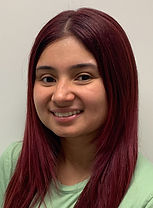
Nancy Nguyễn
Group Supervisor
Less than 5 years

Raechel O'Neal Coats
Director
36 years

Shannon Cowley
Administrative Assistant
32 years
Tylor Hogwood
Assistant Group Supervisor
Less than 1 year
Alyssa Snow
Assistant Group Supervisor
Less than 1 year

Anna Scott
Assistant Group Supervisor
Less than 5 years

Brenda Charity
Group Supervisor
8 years

Egypt Al-Ahad
Assistant Group Supervisor
Less than 5 years

Ericka Davis
Group Supervisor
14 years

Jasmine Thompson
Assistant Group Supervisor
Less than 5 years

Kevianna White
Assistant Group Supervisor
Less than 5 years

Mashea 'Missy' Banks
Assistant Group Supervisor
26 years

Nathalie Noel
Assistant Group Supervisor
19 years

Samawan 'Cheer' Sangmanee
Assistant Group Supervisor
Less than 5 years

Shardae Browning
Assistant Group Supervisor
Less than 5 years

Wardah Abdulmumin
Assistant Group Supervisor
Less than 5 years

Andrea Thomas
Assistant Group Supervisor
12 years

Armani Jefferson
Assistant Group Supervisor
Less than 5 years

Christina Scull
Assistant Group Supervisor
Less than 5 years
Electra Martin
Assistant Group Supervisor
Less than 1 year

Gale Huggins
Support Staff
Less than 5 years

Joann Schock
Assistant Director
Less than 5 years

Lea Ramuno
Group Supervisor
17 years

Michelle Jenkins-Hines
Group Supervisor
37 years

Quarteniiy Williams
Assistant Group Supervisor
Less than 5 years
Savannah Barnes
Assistant Group Supervisor
Less than 1 year
Teresa Quillen
Floater
31 years